
Your Elopement in Spain: The Complete Guide to an Intimate Spanish Celebration
Why Spain Captures Hearts for Intimate Weddings
Photographer: David Azurmendi
An elopement in Spain offers something genuinely magical: the romance of European destination weddings without the logistical nightmares or tourist overwhelm of more popular countries. From medieval monasteries nestled in Valencia’s countryside to Moorish palaces in Andalusia, from dramatic coastlines to sun-drenched vineyards, Spain provides extraordinary diversity within one beautifully accessible country.
As a Spain elopement photographer who has documented intimate ceremonies across this country, I’ve witnessed how Spain creates the perfect conditions for meaningful celebrations. The light here has that warm Mediterranean quality that makes everything glow. Historic venues offer centuries of character without feeling stuffy. And Spanish hospitality brings genuine warmth that makes you feel welcomed rather than just another tourist transaction.
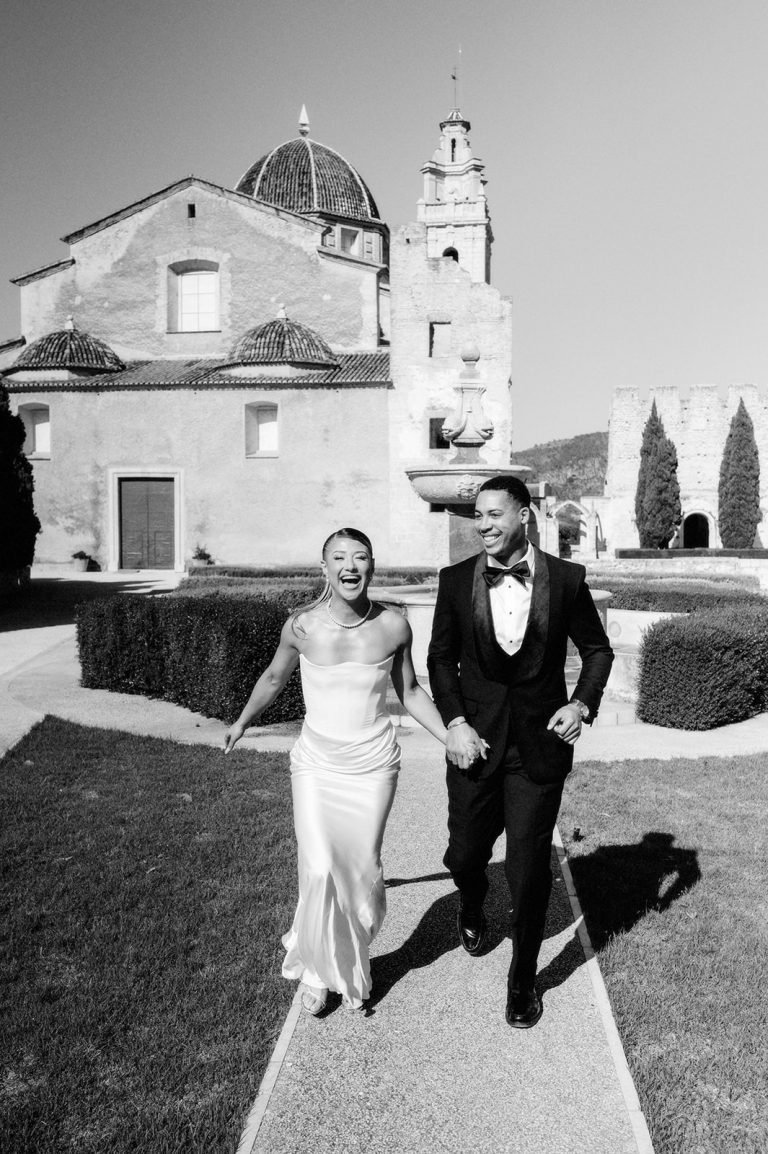

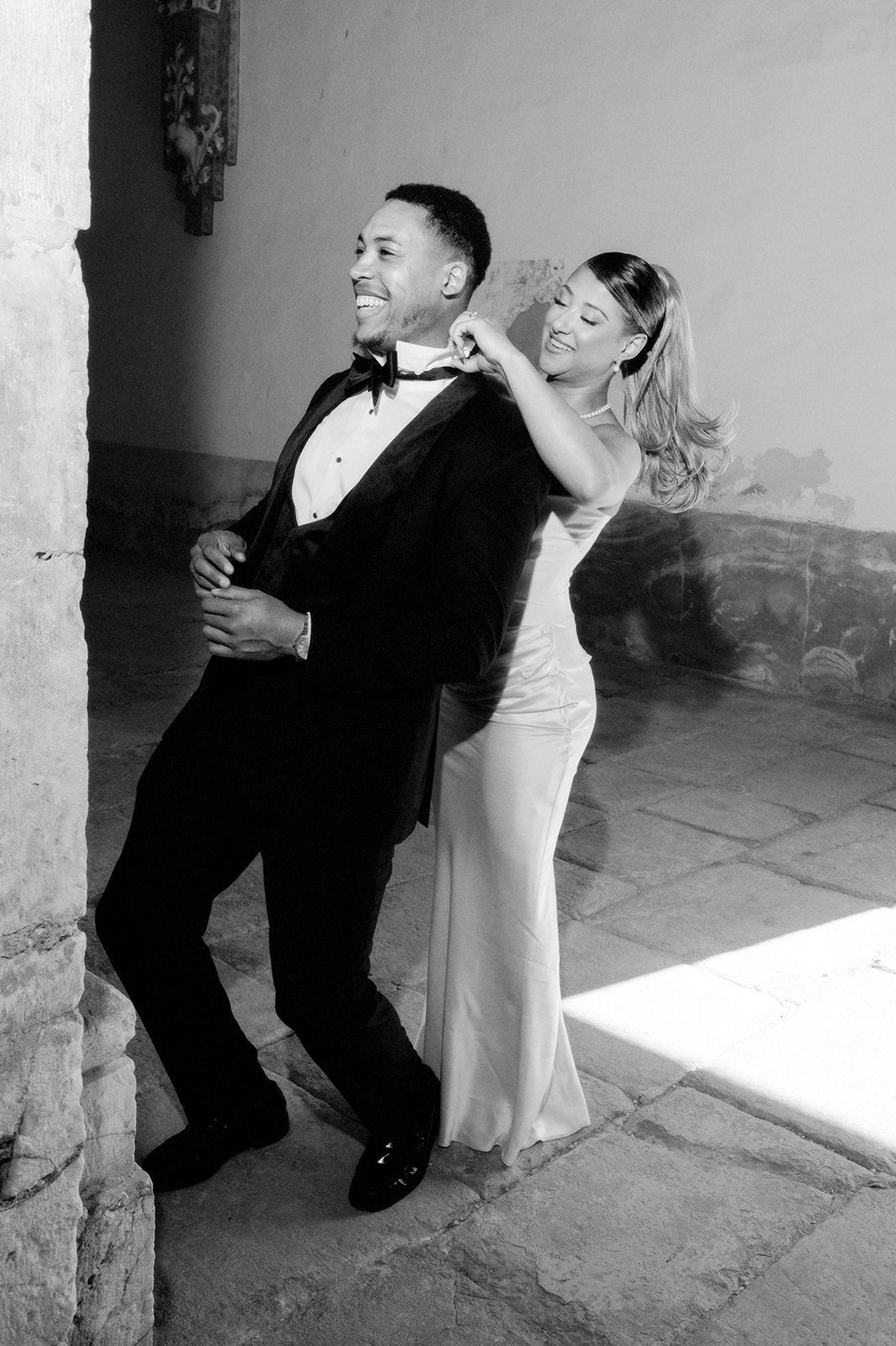


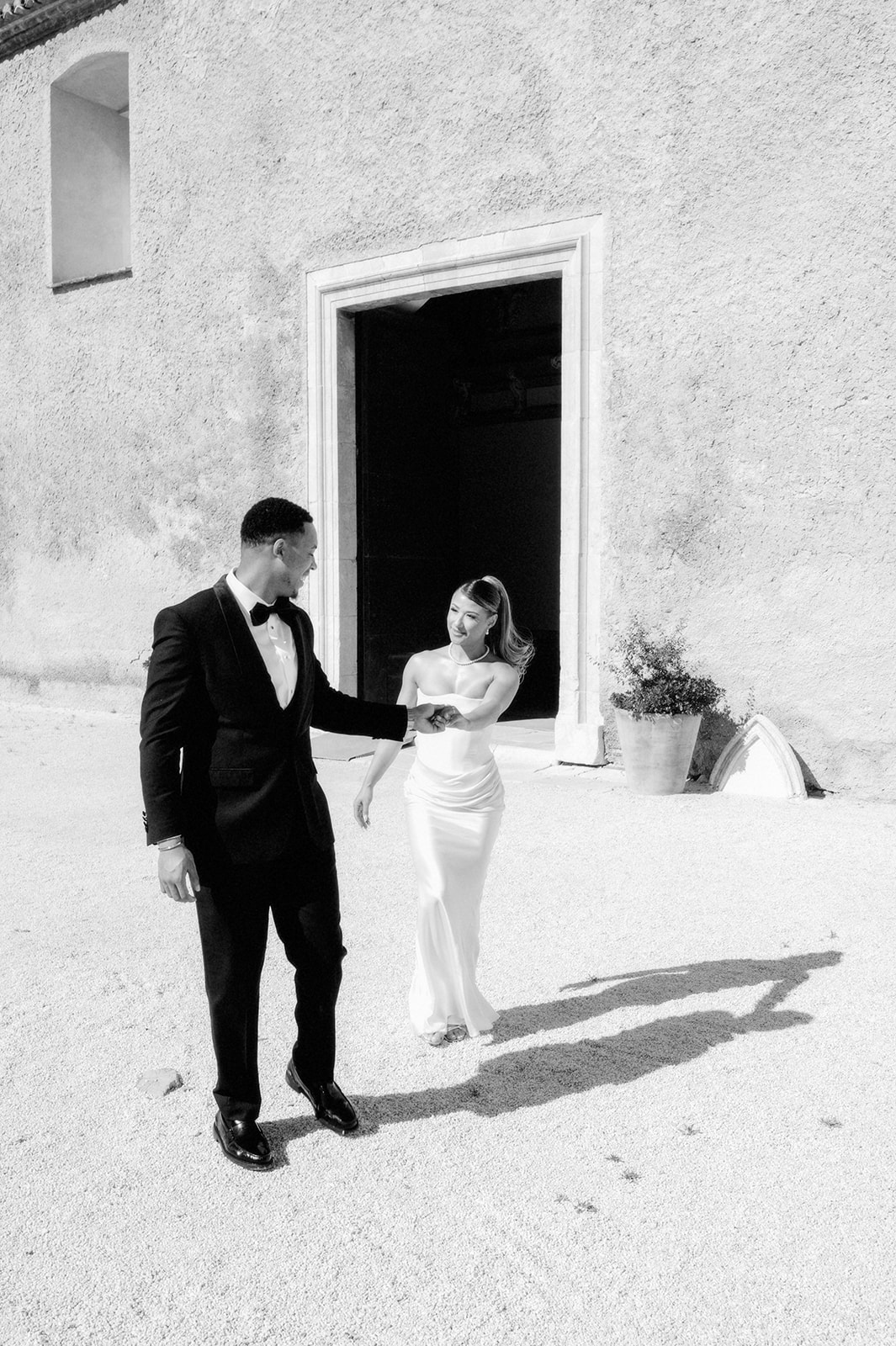
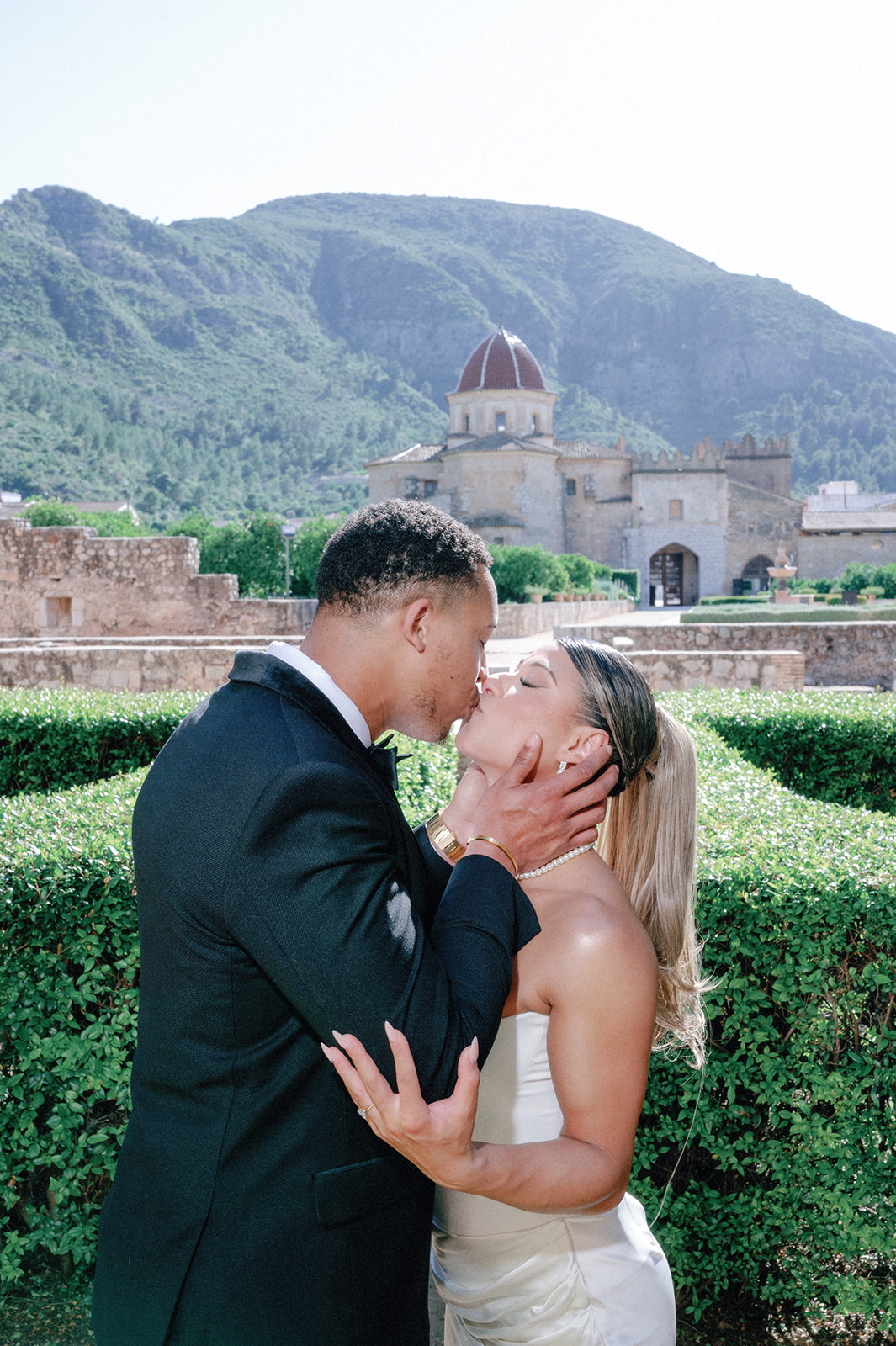

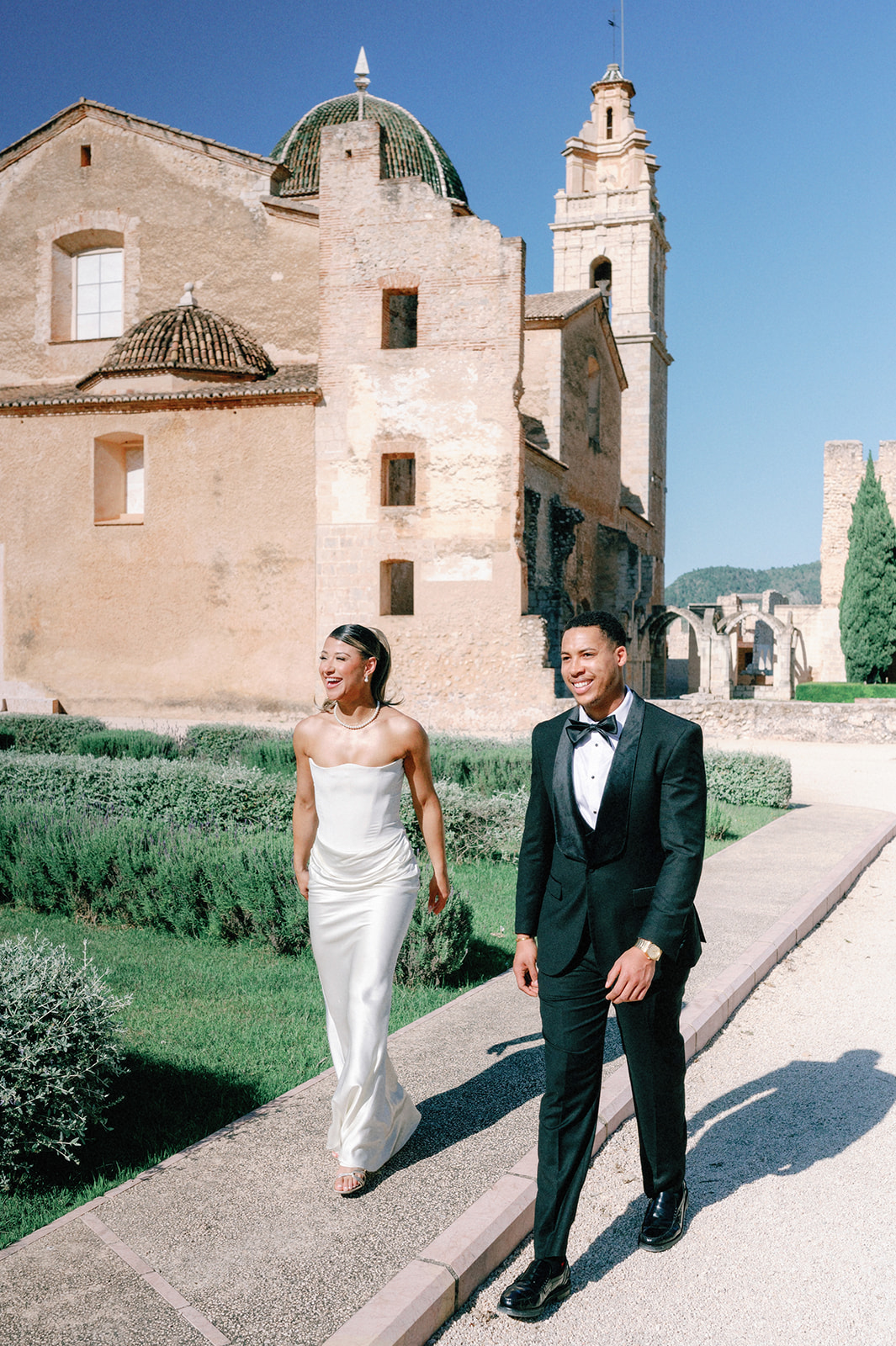
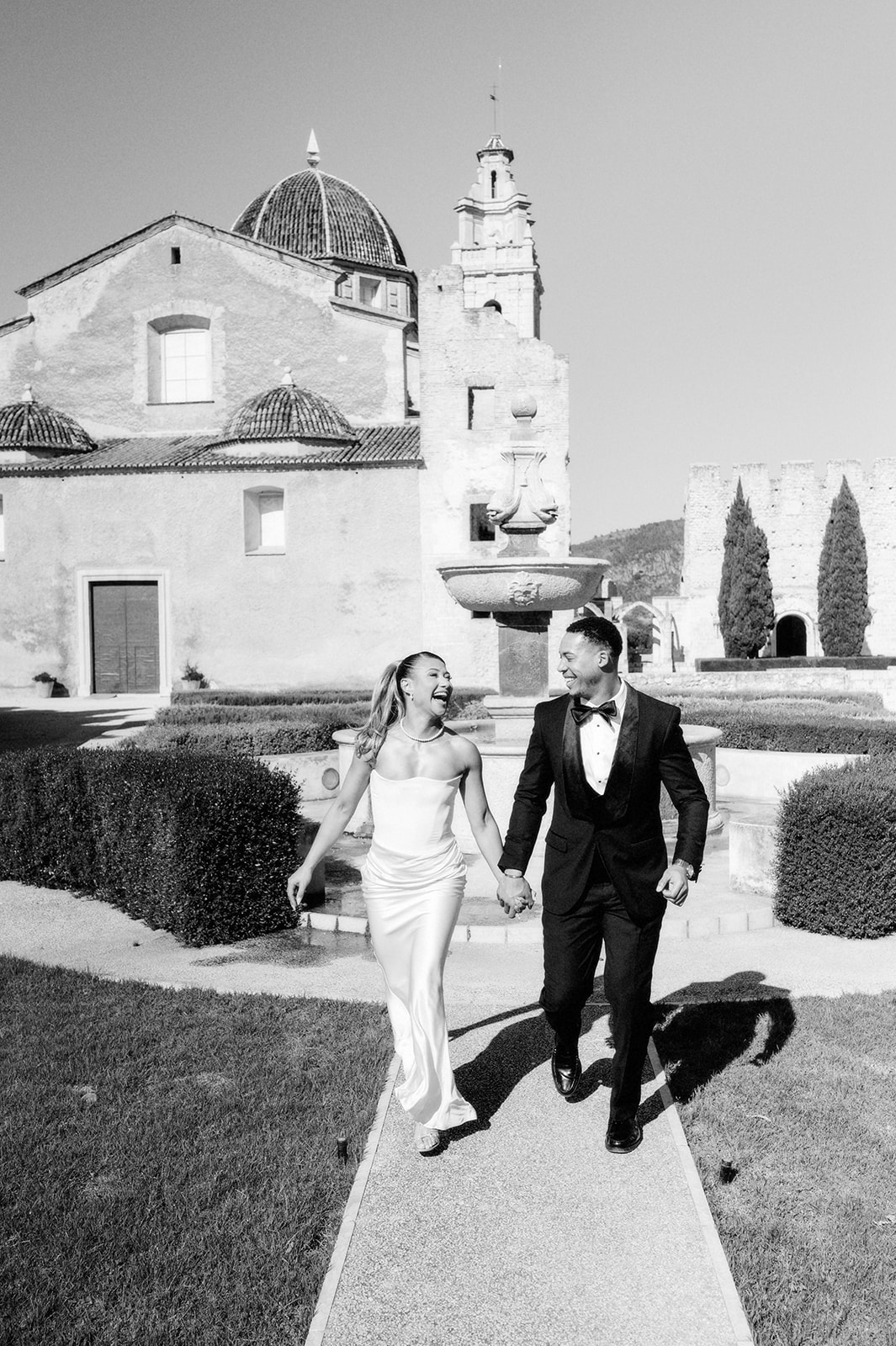


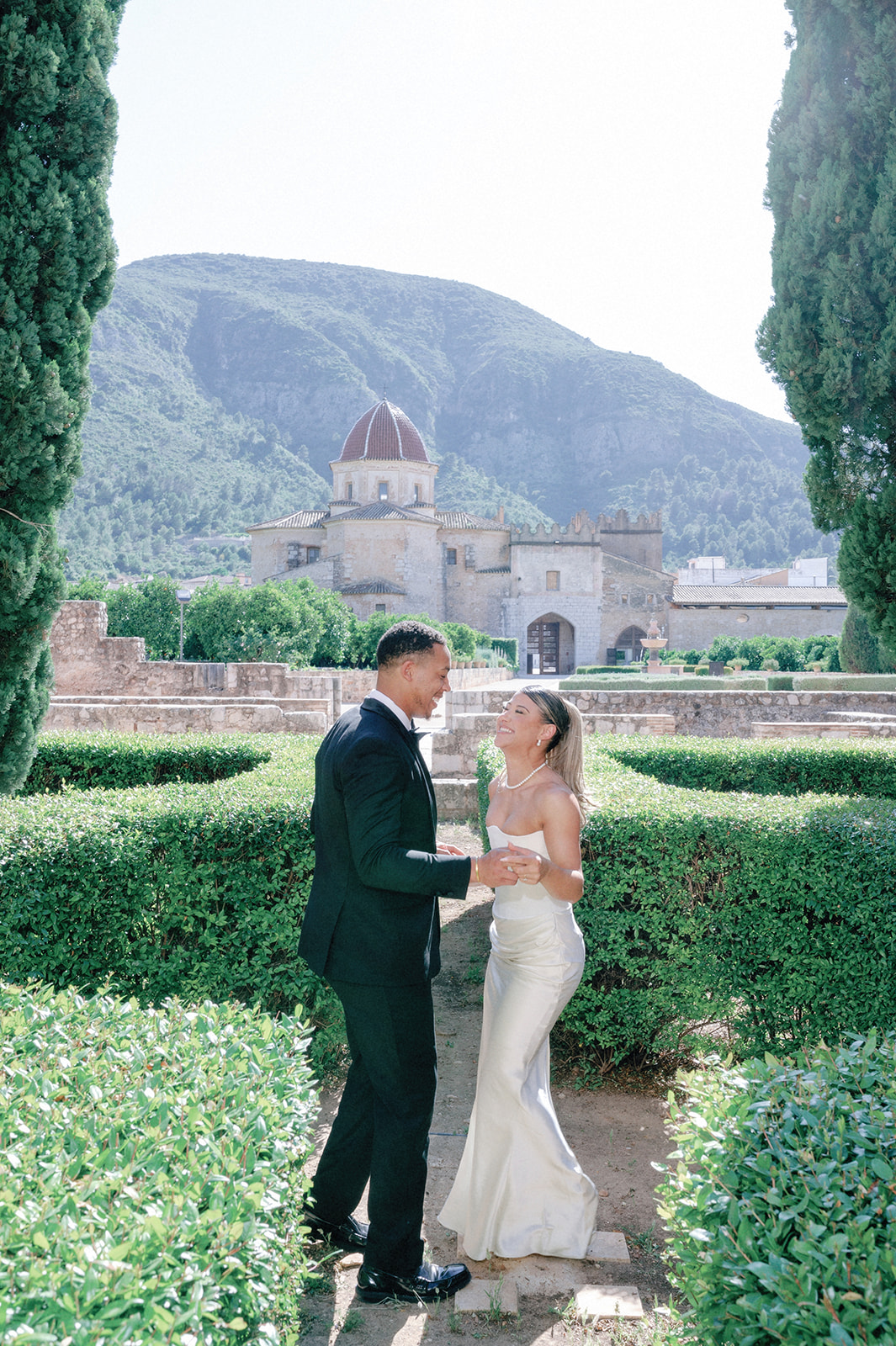


A Real Elopement Story: From Texas to Simat de la Valldigna
Why One Couple Chose Valencia's Hidden Monastery
Let me share a recent elopement that perfectly captures why Spain works so beautifully for intimate celebrations. A couple from Texas reached out wanting something meaningful and visually stunning without the stress of a large wedding. They’d considered Italy and France but felt drawn to Spain’s warmth and slightly undiscovered character.
After exploring options, they chose Monasterio de la Valldigna. The 13th-century monastery offered everything they wanted: historic architecture with soul, peaceful countryside setting, proximity to Valencia for easy travel, and that sense of discovering something special rather than following the well-worn path.
Their Day at the Monastery
Their elopement day unfolded with the unhurried pace that makes these celebrations so special. They got ready in a nearby boutique hotel, then drove through orange groves to the monastery. The late afternoon light was already turning golden, exactly what we’d planned for.
The ceremony happened in the monastery’s Gothic cloister. Stone arches framed them on all sides. Light filtered through ancient windows, creating that soft glow that makes everyone luminous. They exchanged personal vows they’d written themselves, with just a local Spanish officiant present. No audience to perform for, just authentic emotion and promises made in one of Spain’s most beautiful spaces.
After the ceremony, we explored the monastery grounds for couple portraits. The Romanesque church interior with its soaring ceilings. The cloister walkways where monks once walked centuries ago. The courtyard with its weathered stone and Mediterranean plants. Every turn revealed new compositions, the monastery itself doing so much visual work that minimal styling was needed.
As sunset approached, we moved outside the monastery walls to capture them among the orange groves with mountains in the distance. That golden hour light that Valencia is known for, everything bathed in warm tones. The images from this time feel both timeless and distinctly Spanish.
Their celebration dinner happened at a nearby restaurant specializing in Valencian cuisine. Paella cooked over wood fire. Local wines. The intimate scale meant they could truly savor everything rather than rushing through. By the end of the evening, they kept saying how perfect it was that they’d chosen an elopement over a traditional wedding.
What Made This Elopement Work
Several elements combined to create their extraordinary experience. The venue itself provided drama and beauty without needing elaborate decoration. The Valencia region’s accessibility meant no complicated travel logistics. Choosing Spain over more obvious European destinations meant better value and fewer tourists. And the elopement format let them focus entirely on each other and the experience rather than hosting duties.
Planning Your Spain Elopement: Practical Considerations
Best Seasons for Spanish Elopements
Spring (April – June) brings Spain to life magnificently. Wildflowers bloom across countryside. Temperatures are perfect (65-75°F in most regions). The light has that crystalline quality. May is particularly beautiful, with long days and minimal rain.
Summer (July – August) guarantees sunshine but brings intense heat in southern and interior Spain (often 85-95°F+). Coastal areas and northern regions remain more comfortable. Summer works better if you’re comfortable with heat or focusing on northern Spain. The advantage is long days with light until 10pm in some areas.
Fall (September – October) rivals spring for ideal conditions. The summer crowds have departed but weather remains excellent. Harvest season in wine regions adds special character. Light has that warm autumn quality perfect for photography. September feels like extended summer, October brings true fall beauty.
Winter (November – March) is Spain’s quietest season. Southern Spain remains mild (55-65°F), northern regions cooler and wetter. The advantage is dramatically fewer tourists, better venue availability, and lower rates. For couples who don’t mind weather unpredictability, winter creates opportunities.
Timeline for Planning
Start 9-12 months ahead for spring and fall elopements ideally. This ensures venue availability and preferred vendors. Summer and winter allow slightly shorter planning timelines (6-9 months) due to less demand.
If handling legal paperwork for official Spanish marriage, add several months for document preparation. Symbolic ceremonies have more flexibility.
Key vendors to secure early: venue (if using one), photographer, and wedding coordinator if hiring one. These book furthest ahead and are hardest to replace if your first choices aren’t available.
Getting There and Around
Spain’s accessibility is a major advantage. Direct flights connect major US cities to Madrid and Barcelona. Valencia, Seville, Málaga, and Bilbao have excellent connections through European hubs. Once in Spain, the AVE high-speed train network makes moving between regions quick and comfortable.
Renting a car provides maximum flexibility for exploring and reaching rural venues like monasteries or countryside locations. Spain’s roads are generally excellent. GPS and translation apps eliminate most navigation challenges.
For your elopement day specifically, many couples hire a driver, eliminating parking concerns and letting you relax and enjoy wine during celebration. This is relatively affordable in Spain and removes logistics stress.


What Makes a Great Spain Elopement Photographer
Local Knowledge and Experience
Spain’s regions differ dramatically in character, light, and logistics. A photographer who knows Spain specifically understands how light works in Andalusian courtyards versus Valencia’s monasteries. They know which venues photograph beautifully and which look better in person than in pictures. They understand Spanish timing and culture.
Local knowledge extends beyond photography. An experienced Spain elopement photographer can recommend venues you might not find in typical wedding blogs. Suggest timing that maximizes beautiful light. Help navigate any language barriers with vendors. Provide that insider perspective that elevates your entire experience.
Editorial Timeless Style for Spanish Settings
Spain’s architectural and natural beauty lends itself perfectly to editorial timeless photography. This approach captures the romance and history of your setting while focusing on authentic emotion and connection.
Editorial means thoughtful composition that tells a visual story. Wide shots establishing the grandeur of your monastery or castle setting. Medium compositions placing you within the architecture and landscape. Close intimate moments focusing on emotion. Each image contributes to a cohesive narrative.
Timeless avoids trendy filters or processing that will feel dated. Instead, the emphasis is beautiful natural light, genuine moments, and classic composition. Your Spain elopement photos should feel as beautiful in 20 years as they do today.
Understanding American Couples' Vision
As a photographer who works regularly with American couples eloping in Spain, I understand what you’re seeking. You want European romance and beauty but without complications. You value authenticity and meaningful experiences over checking boxes. You appreciate guidance from someone who knows Spain but respects that this is your day, your vision.
The best Spain elopement photographers balance expertise with flexibility. They guide you toward great locations and timing while remaining open to spontaneity. They capture both the beauty of Spain and the intimacy of your celebration, understanding that both matter equally.
What Your Gallery Will Show
A complete Spain elopement gallery captures the full story. It might begin with getting ready in your Spanish hotel, morning light through shuttered windows. Details of your attire against Spanish textures, hand-painted tiles, weathered wood, stone walls.
Your ceremony in a monastery cloister, castle courtyard, or beach setting provides emotional centerpiece. The architecture or landscape establishing where you are. Your expressions during vows. The significance of the moment captured from respectful distance.
Couple portraits showcase Spain’s beauty as backdrop to your love story. Walking through ancient cloisters. Embracing in orange groves. The way golden hour light makes everything luminous. These images place your elopement specifically in Spain while keeping focus on your connection.
Your celebration, whether an intimate dinner or champagne toast, continues the narrative. The joy, the relief, the beginning of your married life together. All documented with that balance of artistry and authenticity.


FAQ
Most American couples choose symbolic ceremonies in Spain and handle legal marriage at home through a simple courthouse process. This eliminates Spanish bureaucracy while creating a fully meaningful ceremony. Legal Spanish marriage is possible but requires 2-3 months of paperwork, translations, and document processing.
It depends on your vision. Valencia offers Mediterranean beauty, historic venues, and great value with easy access. Andalusia provides dramatic Moorish architecture and passionate culture. Catalonia combines urban sophistication with countryside. Basque Country delivers green landscapes and world-class food. Each region has unique character and advantages.
Start 9-12 months ahead ideally for spring and fall dates. Summer and winter allow 6-9 months. If pursuing legal Spanish marriage, add several months for paperwork. Symbolic ceremonies offer more flexibility. Key vendors (venue, photographer, coordinator) should be secured as early as possible.
Costs vary dramatically based on choices. Spain generally offers excellent value compared to other European destinations. Factors include venue selection, number of vendors, season, region, accommodation preferences, and length of stay. For specific budgets, reach out to vendors directly for quotes based on your vision.
Very accessible. Direct flights connect major US cities to Madrid and Barcelona. Valencia, Seville, Málaga, and Bilbao are easily reached through European connections. Spain’s AVE high-speed trains make moving between regions comfortable. Overall, Spain is one of Europe’s most accessible countries for Americans.
Wedding vendors accustomed to international elopements typically speak English well, especially photographers, planners, and venue coordinators. In tourist areas and larger cities, English is widely spoken. Rural areas may have less English, where basic Spanish phrases help. A bilingual coordinator can bridge any language gaps.
Varies by region and season. Mediterranean areas (Valencia, Catalonia coast, Andalusia coast) have mild winters and warm summers. Interior Spain has hot summers and cold winters. Northern Spain (Basque Country, Galicia) is cooler and wetter year-round. Spring (April-June) and fall (September-October) offer ideal conditions nearly everywhere.
Symbolic ceremonies can happen virtually anywhere you have permission. Beaches, monasteries, castles, vineyards, mountain overlooks, urban courtyards. The flexibility is one of symbolic ceremonies’ great advantages. Legal ceremonies must occur at approved locations and civil registries.