
PLANNING A FORMENTERA BEACH WEDDING
A Formentera Wedding is an Opportunity to Blend Elegance with Seaside Serenity
A Formentera wedding offers something increasingly rare: unspoiled beauty without compromise. This smallest inhabited island in the Balearics remains refreshingly undeveloped compared to its famous neighbors Ibiza and Mallorca. Here, beaches stretch for miles with sand so white it almost glows, waters transition through every shade of turquoise imaginable, and a protected natural environment ensures the landscape stays pristine.
What makes Formentera extraordinary for weddings is how the island naturally provides what couples spend fortunes trying to create elsewhere. The elegance is built in. Pine forests meet powder-soft beaches. Traditional whitewashed villages maintain authentic character. And that relaxed, bohemian spirit the island is known for creates celebrations that feel both sophisticated and genuinely laid-back.
As a Formentera wedding photographer, I’ve witnessed how this island transforms celebrations into something transcendent. The quality of light here, reflecting off impossibly clear water and white sand, creates natural luminosity that makes everyone glow. The intimate scale of venues keeps everything feeling personal. And there’s something about celebrating on an island accessible only by boat that makes the entire experience feel more intentional, more special.


Choosing the Perfect Venue for Your Formentera Beach Wedding
Beachfront Restaurants and Beach Clubs
Formentera’s beachfront venues offer the ultimate blend of stunning location and logistical ease. Places like Juan y Andrea at Illetes beach, Beso Beach, or Es Molí de Sal provide direct beach access, established infrastructure, excellent cuisine, and experienced event coordination all in one package.
These venues understand beach weddings intimately. They know how to position ceremonies for best light and wind protection. Their kitchens create menus that work beautifully in seaside settings. And importantly, they handle permits and regulations, eliminating stress from your planning.
The advantage of established venues is reliability. You’re not starting from scratch or improvising logistics. Everything from sound systems to backup weather plans has been thought through. For couples who want a beach wedding without the complexity of organizing every detail independently, these venues deliver.
Private Beaches and Secluded Coves
For couples seeking complete privacy and a more personalized experience, Formentera has beaches and coves where you can create something entirely bespoke. Cala Saona with its dramatic cliffs and protected bay. Ses Platgetes with its intimate scale. Playa de Ses Illetes, consistently rated among the world’s most beautiful beaches.
Organizing on a beach independently requires more planning. You’ll need to secure necessary permits directly, arrange all infrastructure (seating, sound, catering setup), coordinate vendors without venue support, and have comprehensive backup plans for weather. But the payoff is complete creative freedom and genuine privacy.
This approach works best with an experienced wedding planner who knows Formentera’s regulations and has relationships with island vendors. They bridge the gap between your vision and practical execution.

Fincas and Rural Properties
For ceremonies not directly on the beach, Formentera’s interior offers charming rural fincas (farmhouses) with that authentic Balearic character. Whitewashed walls, weathered wood, native vegetation, and often proximity to beaches create a different but equally beautiful setting.
Fincas work wonderfully for couples who want the Formentera experience but prefer slightly more shelter and infrastructure than a beach provides. You get bohemian island atmosphere with more predictable logistics. Many couples choose fincas for their reception after beach ceremonies, combining the best of both.
Permits and Regulations: Navigating Formentera's Beach Wedding Requirements
Understanding Protected Areas
Formentera takes environmental protection seriously. Much of the island, including significant beach areas, falls under natural park designation. This doesn’t mean you can’t have beach weddings, but it does mean following specific regulations designed to preserve the island’s fragile ecosystems.
Before planning any beach ceremony, understand which areas require special permits and which have restrictions. Ses Salines Natural Park, covering much of the southern island including some of the most beautiful beaches, has particular rules about temporary structures, amplified sound, and guest capacity.
Working with local wedding planners or venues familiar with these regulations is invaluable. They know which beaches allow ceremonies, what permits are needed, how to apply, and how to ensure your celebration complies with environmental protections.
Obtaining Necessary Permissions
Beach wedding permits in Formentera typically require application to the local council (Consell Insular) and potentially the environmental department if in protected areas. Applications should specify date, time, expected guest count, planned setup (chairs, arch, etc.), and any amplified sound.
Processing times vary but expect to apply at least 2-3 months in advance, potentially longer during peak season. Some beaches have simpler processes than others. Established venues often handle this entirely, one of their key advantages.
Fees for permits are generally reasonable but required. Factor these into your budget and timeline. And critically, never assume you can “just show up” at a beach. Unauthorized events can result in fines and forced shutdown.

Sound and Infrastructure Restrictions
Most Formentera beaches restrict amplified sound to specific hours and decibel levels. This protects both the natural environment and other beachgoers’ experience. Ceremonies typically have more flexibility than receptions, but live acoustic music almost always works better than DJs or loud sound systems.
Infrastructure like arches, chairs, and decorations must typically be temporary and removed completely after your event. Staking anything into protected dunes is prohibited. Setup usually can’t happen more than a few hours before your ceremony.
Understanding these rules from the start shapes realistic expectations and prevents disappointment. Many couples find the restrictions actually enhance their weddings, creating simpler, more elegant celebrations that let Formentera’s natural beauty be the star.
Timing is Everything: Sunset or Daytime Formentera Beach Wedding
The Magic of Sunset Ceremonies
Sunset weddings on Formentera are legendary for good reason. The way light transforms as the sun descends toward the Mediterranean, painting everything in golds and pinks, creates atmosphere that’s difficult to achieve artificially. As a Formentera wedding photographer, sunset ceremonies give me that golden hour light that makes every image luminous.
Timing a sunset ceremony requires precision. You want to start while there’s still good ambient light (about 45 minutes before actual sunset), exchange vows as colors intensify, and finish as that magical glow peaks. This means your ceremony duration matters. Quick ceremonies risk missing the best light; lengthy ones may finish in darkness.
The challenge with sunset timing is its inflexibility. Everything must align with when the sun actually sets, which varies by season. This affects your entire day’s schedule and means less room for delays. But couples who embrace this structure consistently tell me the result was worth the precision required.
Golden Hour Afternoon Celebrations
Starting your ceremony in the hour before sunset (roughly 6-7pm in summer, 4-5pm in winter) captures beautiful light while offering slightly more scheduling flexibility. You get that warm, directional glow without timing being quite so critical.
This timing also works better for reception flow. Ceremony at golden hour, cocktails as sunset happens, dinner as twilight deepens. The natural progression feels unhurried while capturing the day’s most beautiful light phases.

Morning and Midday Options
Morning beach ceremonies offer their own unique beauty. The light is soft and clear. Beaches are emptier. Temperatures are cooler in summer months. And there’s something special about starting married life at the beginning of a new day.
Midday ceremonies are less common due to harsh overhead light and heat in summer. But shoulder season (May, early June, September, October) can make midday work beautifully. The light is less intense, temperatures comfortable, and beaches less crowded than later in the day.
Beach-Friendly Attire: Dressing for Sand and Sea
For the Bride
Beach weddings call for dresses that embrace the setting rather than fight it. Lightweight, flowing fabrics like chiffon, silk, or light lace move beautifully in sea breezes and photograph gorgeously. Overly structured gowns or heavy fabrics feel out of place and uncomfortable in heat.
Consider length carefully. Long dresses create romantic movement but require managing the train on sand. Knee-length or midi dresses offer easier movement while maintaining elegance. Some brides choose longer dresses for ceremony and change to shorter styles for beach reception and dancing.
Footwear is always interesting for beach weddings. Many brides go barefoot, perhaps adding delicate anklets or toe jewelry. Others choose flat sandals, espadrilles, or dressy flats. Heels simply don’t work on sand, no matter how beautiful they are.
For the Groom
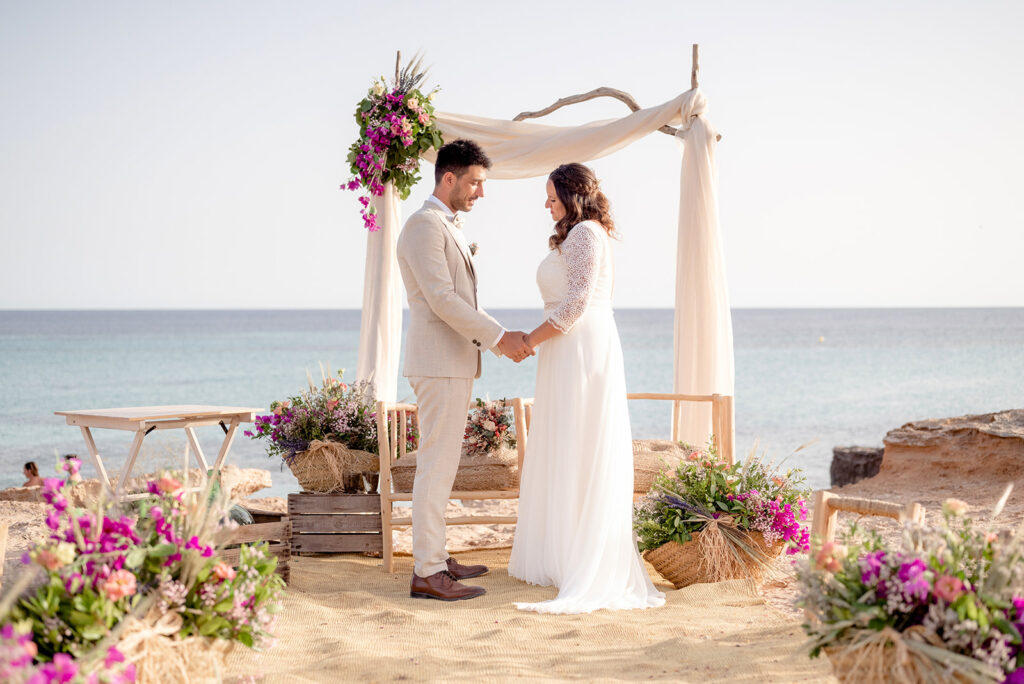
Linen suits or lighter-weight fabrics keep grooms comfortable in Formentera’s climate. Light colors (ivory, tan, light blue, even white) fit the beach aesthetic better than dark formal suits. Many grooms skip ties entirely or choose casual bow ties, keeping the overall look relaxed but polished.
Going barefoot is perfectly acceptable and increasingly popular. Otherwise, loafers, boat shoes, or leather sandals work better than formal dress shoes. The goal is looking intentionally beach-appropriate rather than like you forgot you were on sand.
For Guests
Guide your guests toward beach-appropriate attire in your invitations. Suggest light fabrics, flat or wedge shoes for women, and forewarn against stiletto heels. Recommend bringing layers as temperatures drop in evening. Clear guidance helps guests feel comfortable and appropriately dressed.
Seaside Decor: Enhancing Nature's Beauty
The Minimalist Approach
Formentera’s beaches are so inherently beautiful that the best decor often means minimal intervention. A simple bamboo or driftwood arch. White fabric moving in the breeze. Perhaps some pampas grass or local wildflowers. The philosophy is enhancing rather than overwhelming the natural setting.
This minimalist approach also aligns with environmental consciousness and often saves significantly on budget. When your backdrop is turquoise water and white sand, you truly don’t need elaborate decorations to create impact.
Natural and Local Elements
When you do decorate, using materials native to or in harmony with the island creates cohesion. Driftwood, natural rope, white and neutral fabrics, local flowers and grasses. These elements feel like they belong rather than being imported from somewhere else.
Avoid anything that can’t be completely removed and anything that might harm the beach environment. No balloons (they often end up in the ocean), no confetti, no decorations that require staking into protected dunes. Think impermanent and eco-friendly.
Lighting for Evening Celebrations
If your reception extends into evening, lighting transforms the atmosphere. String lights create magical ambiance. Lanterns (LED candles for safety and wind) add intimate glow. The key is creating warmth without overwhelming the natural beauty of stars and moonlight over water.
Battery-powered options work better than generators, which are noisy and often restricted. Many beach venues have established lighting setups. For independent beach celebrations, lighting is one area where professional support really helps.
Acoustic Melodies by the Sea
Why Acoustic Works Better
Formentera’s beach wedding regulations typically restrict amplified sound, but beyond regulations, acoustic music simply works better in beach settings. A Spanish guitar during your ceremony. A small acoustic band during cocktails. These create intimacy and romance that sound systems can’t replicate.
Acoustic musicians also adapt naturally to the environment. They don’t require extensive technical setup. They can move if wind or logistics require it. And they create that effortless, elegant atmosphere that fits Formentera’s character perfectly.
Recommended Instruments and Styles
Classical or Spanish guitar is consistently beautiful for ceremonies. A violinist adds romantic elegance. For reception, consider small acoustic combos: guitar and vocals, or guitar with light percussion. Saxophone can be gorgeous at sunset cocktail hour.
The music style should match your vision but generally, mellower, romantic, and slightly bohemian vibes fit Formentera better than high-energy dance music. Save the DJ for later night indoor portions if you have them, or embrace the acoustic vibe throughout.

Working with Volume Restrictions
Even acoustic music may have volume restrictions on certain beaches or after certain hours. Discuss this with musicians in advance so they understand limitations. Experienced Formentera musicians know how to project appropriately without amplification and work within local regulations.
Beach-Friendly Cuisine: Formentera Wedding Menus
Fresh Seafood and Mediterranean Flavors
Formentera’s cuisine centers on incredibly fresh seafood and Mediterranean ingredients. Your wedding menu should embrace this. Grilled fish, paella, fresh shellfish, local vegetables, Spanish tapas. These dishes celebrate where you are while being perfectly suited to beach dining.
Beach venue restaurants excel at this style of cuisine. They know what works in seaside settings and have relationships with local suppliers ensuring freshness. If working with caterers for a private beach wedding, choose those experienced with outdoor beach service.
Practical Service Considerations
Beach dining requires practical thinking. Food needs to stay fresh in warm weather. Service should be relatively quick to prevent items sitting too long. Finger foods and tapas-style service often work better than elaborate plated courses.
Beverages are crucial for comfort. Plenty of water, sangria, local wines, and refreshing cocktails. Avoid anything requiring extensive ice that will melt quickly. Many couples do welcome drinks as guests arrive, then structured service during meal, then informal bar for remainder of evening.

Dietary Accommodations
Formentera’s restaurants and caterers are increasingly experienced with dietary restrictions. Vegetarian, vegan, gluten-free, and other requirements can absolutely be accommodated. Communicate clearly with your venue or caterer about guest needs well in advance.
Weather Contingencies: Planning for Formentera's Elements
Understanding Island Weather Patterns
Formentera generally enjoys excellent weather, particularly May through October. Summer (June-September) offers almost guaranteed sunshine, though July and August can be very hot and occasionally windy. Shoulder seasons (May, June, September, October) provide ideal conditions: warm but not extreme, generally calm, gorgeous light.
Winter months (November-March) are mild compared to northern Europe but more unpredictable. Rain is possible, temperatures cooler (though rarely cold), and winds more common. Most beach weddings happen in warmer months, but off-season can work for adventurous couples willing to embrace variable conditions.
Wind Considerations
Wind is perhaps the bigger concern than rain on Formentera beaches. Certain times of year and certain beaches experience strong winds. This affects everything from hair and dress to candles and decorations.
Research wind patterns for your specific date and beach. Some beaches are naturally more protected. Consider hair and makeup that works with breeze rather than fighting it. Choose decorations that won’t blow away. And communicate with guests about what to expect so they’re not caught off guard.

Backup Plans That Work
Every beach wedding needs a solid backup plan. This might mean a venue with covered terrace, a nearby indoor space, or ability to relocate to a more protected beach. Whatever the plan, it should be confirmed and comfortable, not a hasty compromise.
Many couples build flexibility into their timeline. If weather looks questionable that morning, they can make the call to move to Plan B without major disruption. This requires vendors who are adaptable and venues with genuine alternatives, not just theoretical ones.
Photography with Seaside Vibe: Capturing Your Formentera Wedding
Why Formentera's Light is Exceptional
The quality of light in Formentera is what makes the island legendary among photographers. The combination of white sand reflecting light upward, crystal clear water bouncing colors, and that Mediterranean atmosphere creates luminosity unlike anywhere else. This isn’t just beautiful; it’s technically advantageous for creating stunning images.
As a Formentera wedding photographer, I’m constantly aware of how this light changes throughout the day. Morning brings clarity and softness. Midday can be harsh but also dramatic. Late afternoon develops that golden quality. And sunset transforms everything into warm, romantic tones that make every image feel cinematic.
The Editorial Timeless Approach
For a destination as visually distinctive as Formentera, editorial timeless photography makes particular sense. This style captures the island’s natural beauty and your celebration’s emotion in ways that won’t feel dated years from now.
Editorial means thoughtful compositions that tell a story. Wide shots showing the beach’s expanse with you within it. Medium frames placing you in context of the sea and landscape. Close intimate moments focusing on connection and joy. Each image contributes to a cohesive narrative about your day on this specific island.
The timeless aspect means avoiding overly trendy processing, poses that will age poorly, or anything that screams a specific year. Instead, the focus is on beautiful natural light, genuine moments, and classic composition. Twenty years from now, your Formentera wedding photos should still be breathtaking.

What Your Gallery Will Show
A complete Formentera wedding gallery captures variety and narrative. It might begin with getting ready in a whitewashed villa or beach club, island light streaming through windows. Details of your beach-appropriate attire against Formentera’s textures.
Your beach ceremony provides the emotional core. The setup with sea beyond. Guests arriving across the sand. Your processional with turquoise water and white beach as backdrop. Vows exchanged as golden light intensifies. The joy of your first kiss with the Mediterranean witness to it all.
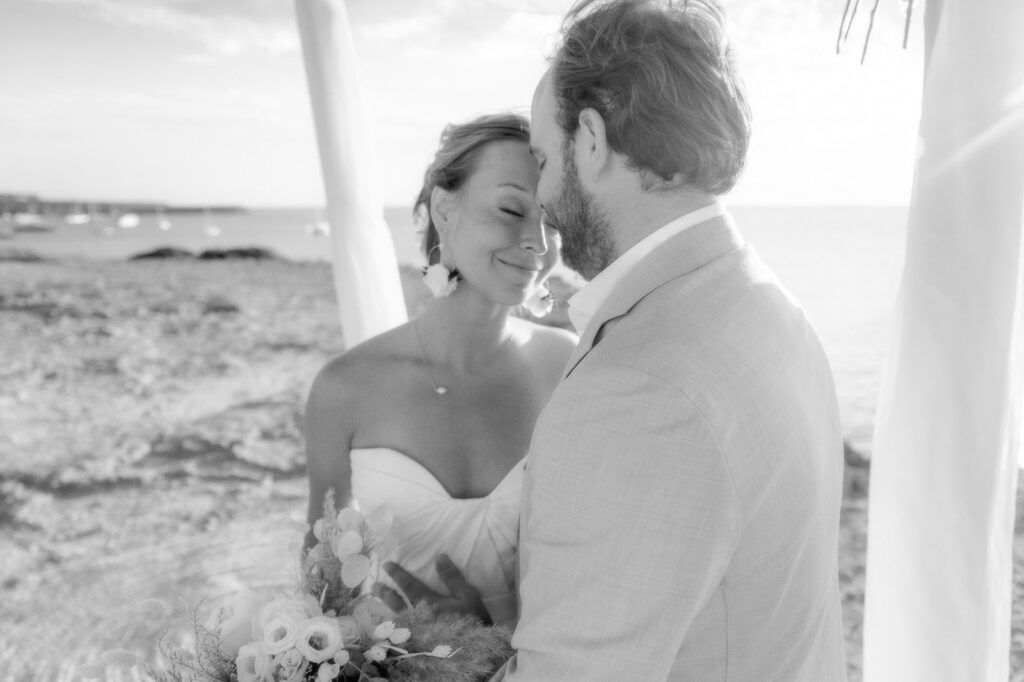
Couple portraits take advantage of the island’s beauty. Walking along the waterline as waves lap at your feet. Embracing in the dunes with native vegetation around you. That classic image of you both looking out over the endless turquoise sea. These photos place your love story within Formentera’s extraordinary setting.
Reception details show how celebration unfolded. Tables set elegantly but simply on the beach. Candid moments of laughter and toasts. Dancing barefoot in the sand as evening falls. The natural progression from ceremony through celebration, all captured with that editorial eye for both beauty and authentic emotion.
Beach Activities for Guests: Making it an Experience
Pre-Wedding Welcome Activities
Many couples turn their Formentera wedding into a multi-day celebration. Organizing activities helps guests bond and fully experience the island. A boat trip to nearby beaches or sea caves. A group lunch at a traditional beach restaurant. Sunset drinks at a scenic viewpoint.
These shared experiences build excitement for your wedding while showing hospitality. Guests who might not know each other connect over adventure. And it transforms your wedding from a single event into a memorable island escape.
Day-After Gatherings
The day after your wedding offers opportunity for relaxed gathering. A casual beach lunch. A laid-back brunch. Or simply making yourselves available as guests enjoy the island before departing.
This informal time lets you properly connect with guests you might have only briefly seen during your wedding day whirlwind. It’s also when the best stories and favorite moments get shared and relived.

Ready to start planning your Formentera beach wedding?
Your Formentera wedding deserves documentation that captures not just what happened, but how it felt to be there. The way light reflected off turquoise water. The sensation of sand between your toes during vows. The sound of gentle waves providing natural soundtrack. How your dress moved in the sea breeze. The expressions of joy as sunset painted everything golden.
As a Formentera wedding photographer who knows this island intimately, I understand how to work with its unique light, where the most beautiful locations are, and how to capture both the grandeur of the setting and the intimate emotions of your day. From early planning through your final dance in the sand, I can guide you toward creating and documenting an extraordinary celebration.

FAQ
May through October offers the most reliable weather and warmest temperatures. June and September are ideal sweet spots with excellent conditions but fewer crowds and often better rates than peak July-August. May and October work beautifully for shoulder season weddings with comfortable temperatures and gorgeous light.
Yes, most beaches require permits from the local council, particularly for any setup involving chairs, arches, or sound. Applications should be submitted 2-3 months in advance. Protected natural park areas have additional requirements. Established beach venues typically handle all permitting as part of their service.
Regulations vary by beach and time of day, but most Formentera beaches restrict amplified sound. Acoustic music works beautifully for ceremonies and often for receptions too. If you want amplified sound, check specific restrictions for your chosen beach and consider moving to an indoor or more flexible venue space for dancing.
Formentera generally has excellent weather May-October, but backup plans are essential. Work with venues that offer covered alternatives or have agreements for indoor backup spaces. Flexible vendors who can adapt quickly are crucial. Wind is often more challenging than rain, so factor that into planning.
Formentera is accessible only by boat from Ibiza. Regular ferries run from Ibiza Town and Playa d’en Bossa, taking 25-30 minutes. Many guests fly into Ibiza and take the ferry same day. The journey itself becomes part of the destination wedding experience.
Guide guests toward lightweight fabrics, beach-appropriate footwear (no heels on sand), and layers for evening temperature drops. Most Formentera weddings embrace relaxed elegance over formal stiffness. Clear guidance in invitations helps everyone feel appropriately dressed.
Both are possible. Established beach clubs and restaurants offer full service and easier logistics. Independent beach ceremonies provide more privacy and customization but require more planning, permits, and vendor coordination. Both approaches create beautiful weddings.
This varies dramatically by location and approach. Beach clubs might host 80-150 guests comfortably. Private beach ceremonies work better for smaller numbers (30-80 typically) due to setup constraints and permit considerations. Very small elopements or micro-weddings have maximum flexibility.
